The previous works could be characterised as having a memoir style to them. Is this a departure from that approach?
I did do a work in progress performance of the show during the Imagine Belfast Festival and while it wasn’t entirely finished, I could see where it was going. It had a PowerPoint presentation which was inviting technical mishap, so there were some difficulties, but overall it is taking shape.
The play starts with a pictorial history of the Iranian revolution with a voiceover of me talking about sitting on the sofa with my dad on school night drinking tea, watching the news, and me having a conversation with my father about what is the difference between a Shia and a Sunni Muslim. That opens the show setting the scene for the rest of the play. The rest of the show is an exploration which emerges from that question.
Does this play complete the trilogy then and how do you feel about this body of work?
The first two plays were stories I felt I had to tell and I think had a universal element where people could connect with the material. Now I know people always say that you should write about what you know ,and in this case of those plays, I have done that. I experienced the situations that the plays document so it a fairly substantial autobiographical canon.
The new play is perhaps more of a framework, a glossary, to understand the previous works. I bring in film footage from a Mike Leigh film, “4 Days in July” where an Orange march goes past my grandmother’s house on the Lisburn Road and how my Mum’s family were the only Catholic family surrounded by Protestants.
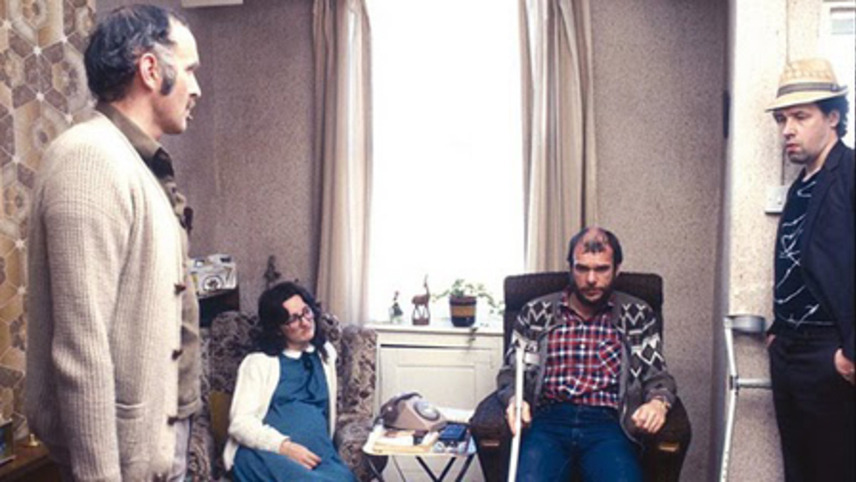
I bring in film, photography and anecdotes to illustrate the points I wanted to make because for me partitions has been the running theme of everything I have been talking about for some time. Partitions are everywhere, in office spaces, taxis, I think partitions is also quite a useful metaphor for the way we live our lives, in the sense of how disconnected people are from each other in our society.
To book tickets for Joe Nawaz’s play, “Partitions”, see the link below


